Notes
Blog
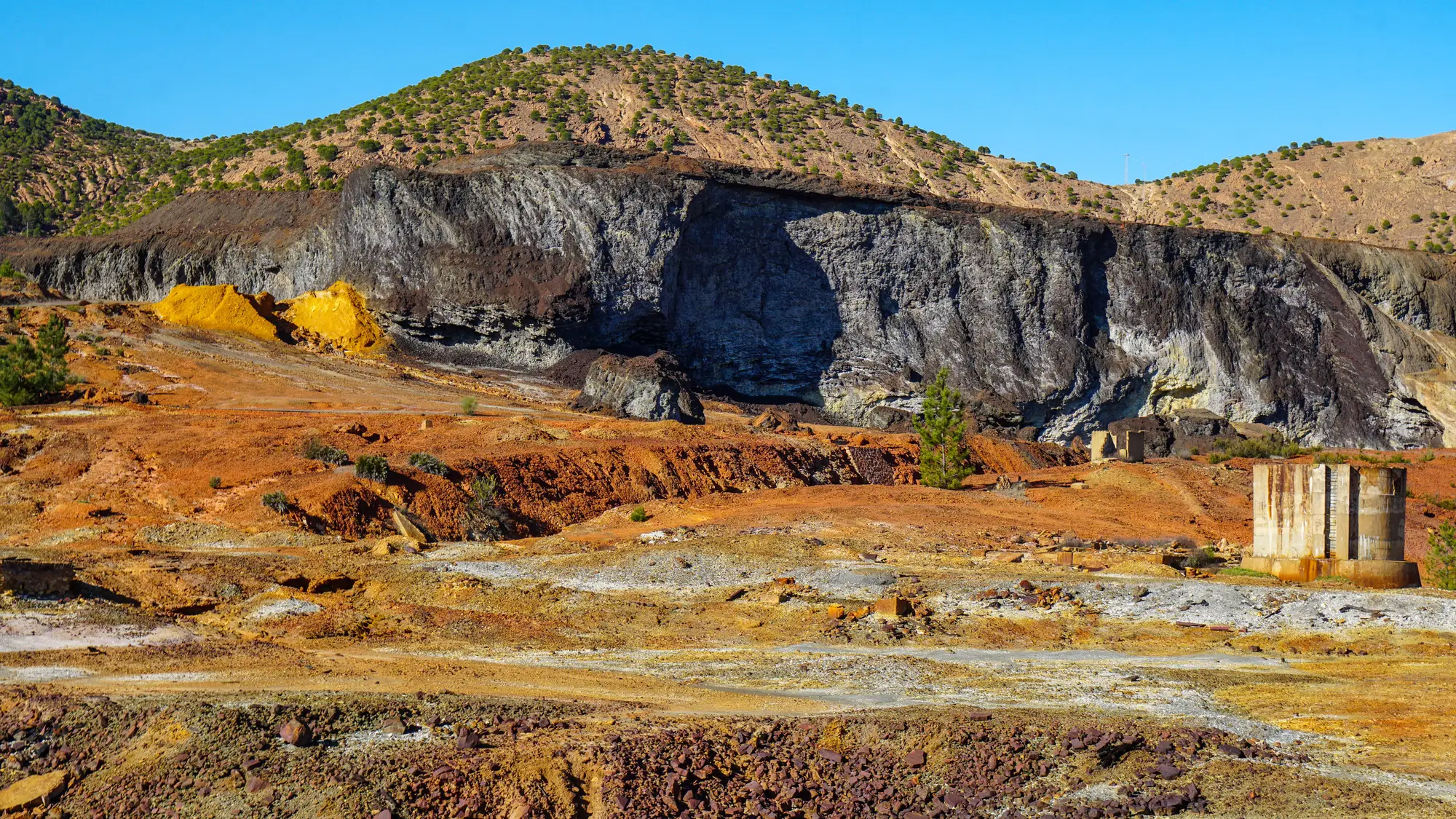 Field notes: the orphan mine with no owner, and the plume that returns every spring
Why orphaned mine sites with no responsible party keep producing the same seasonal AMD plume, and what that means for watershed screening.
 Net alkalinity vs net acidity: what decides active or passive treatment
Net alkalinity is the number permit writers use to pick lime dosing versus a passive wetland. How the calculation works and what it means for screening.
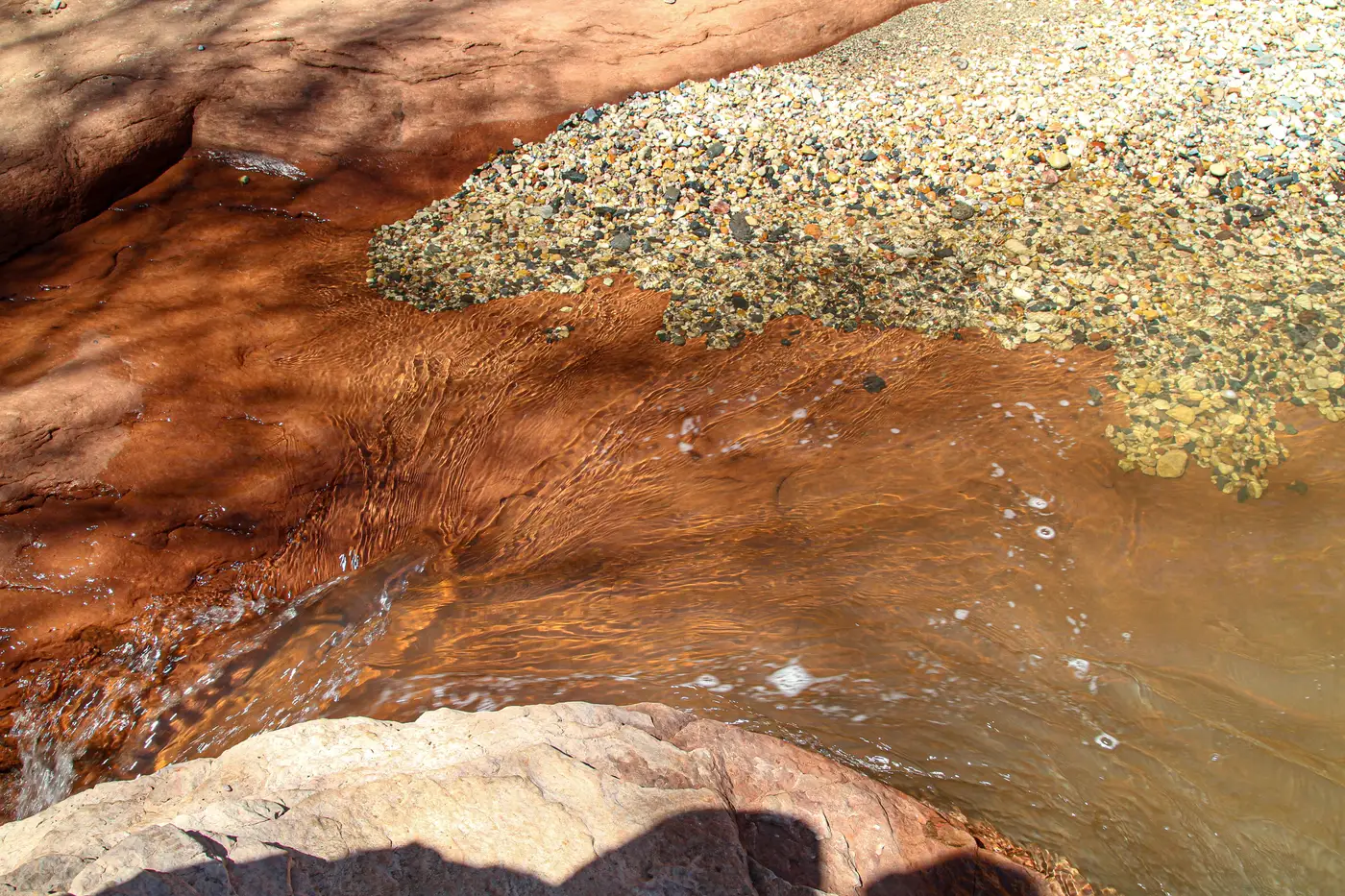 Limestone spring or AMD seep? Reading color signatures from above
How to tell a calcareous spring from an acid mine drainage seep in multispectral imagery, and why net alkalinity still settles it on the ground.
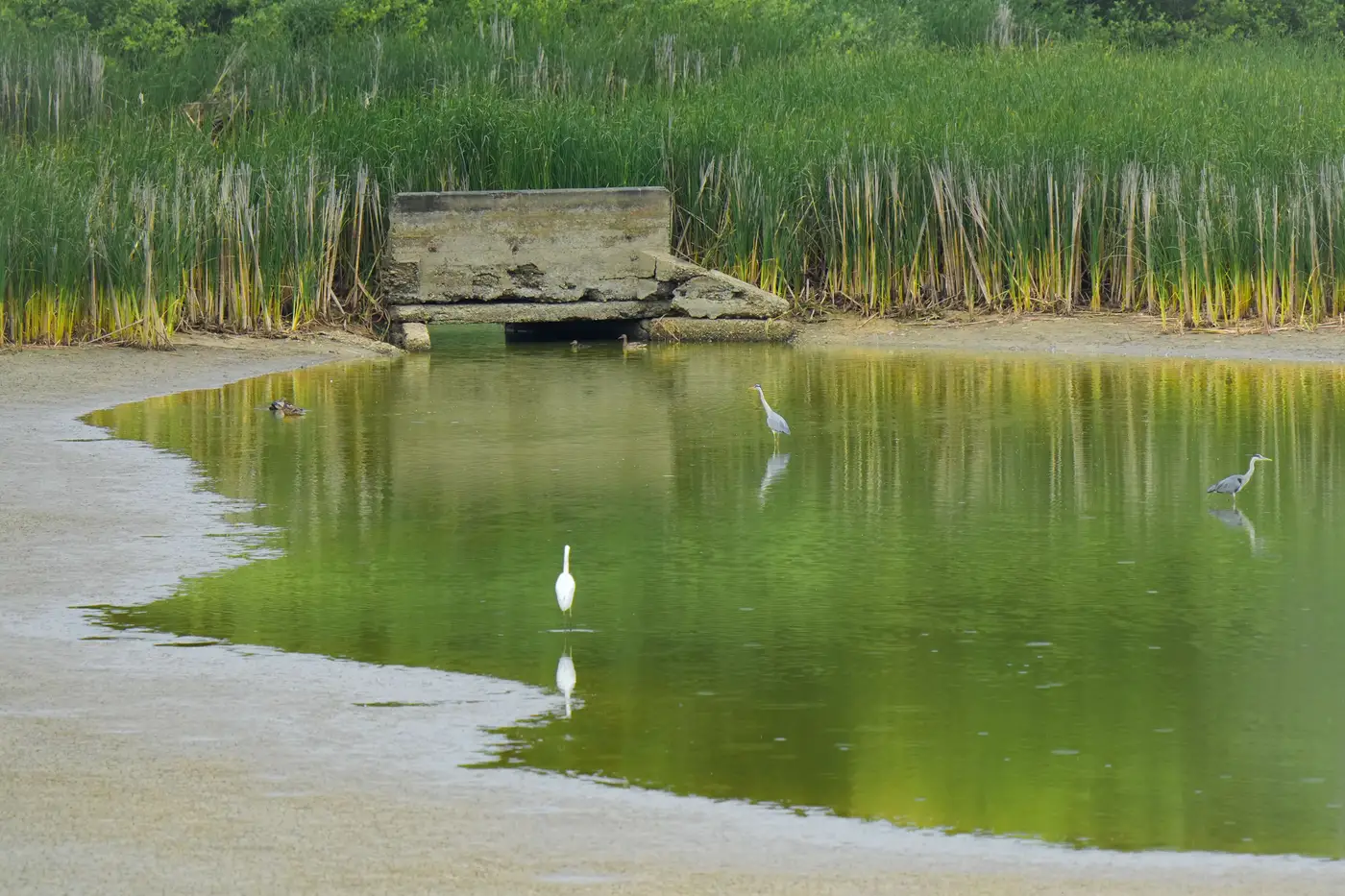
 What is a receiving water mixing zone, and why it matters for a mine discharge permit
How a mixing zone sets the compliance point in an NPDES mine discharge permit, and why the zone matters more than the outfall limit.
- Why some AMD streams run white instead of orange
Iron and aluminum precipitate at different pH points in acid mine drainage. Here's why a stream can run milky white instead of the usual ochre.
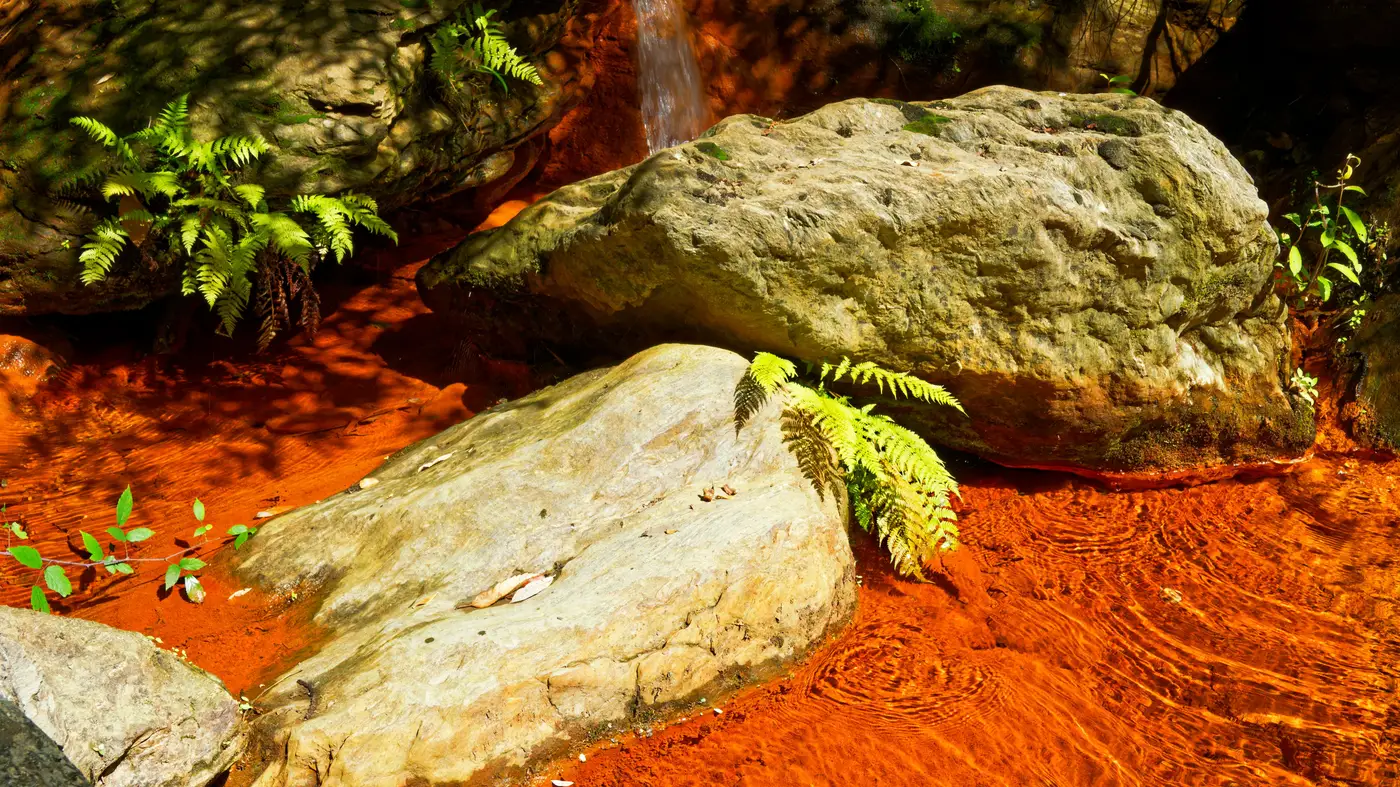 Field notes: the seep that wasn't on any permit map
A field note on finding an unpermitted iron seep outside a watershed's known discharge points, and what that gap says about ground-truth-only monitoring.
- How to prioritize abandoned mine sites for a watershed-scale screening survey
A practical way to rank legacy mine sites in an AML inventory before you spend sampling budget on the wrong seep.
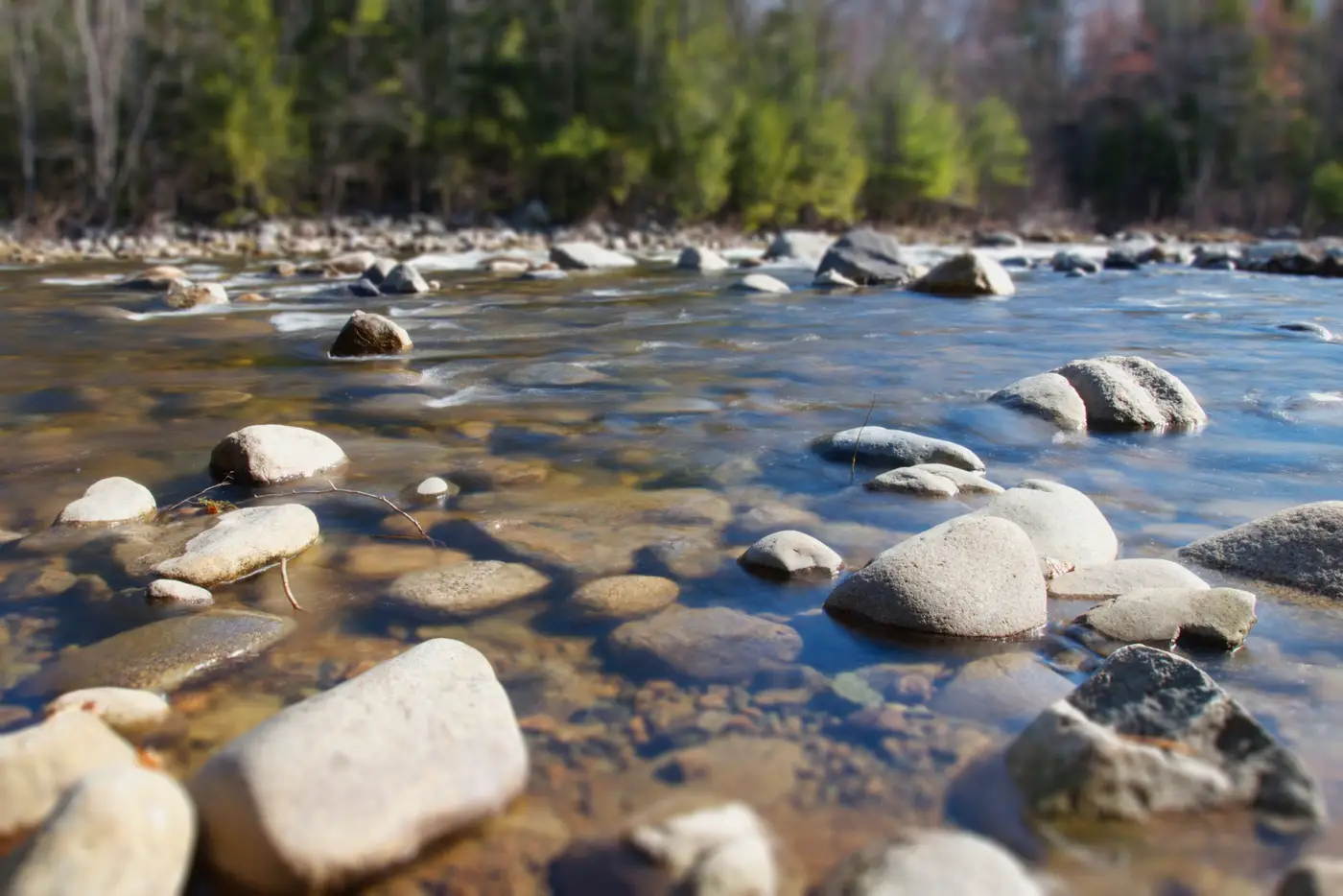 TMDLs and abandoned mine drainage: what the listing actually means
What a TMDL is, how abandoned mine drainage sites get 303(d)-listed, and why load allocations for legacy workings are so data-thin.
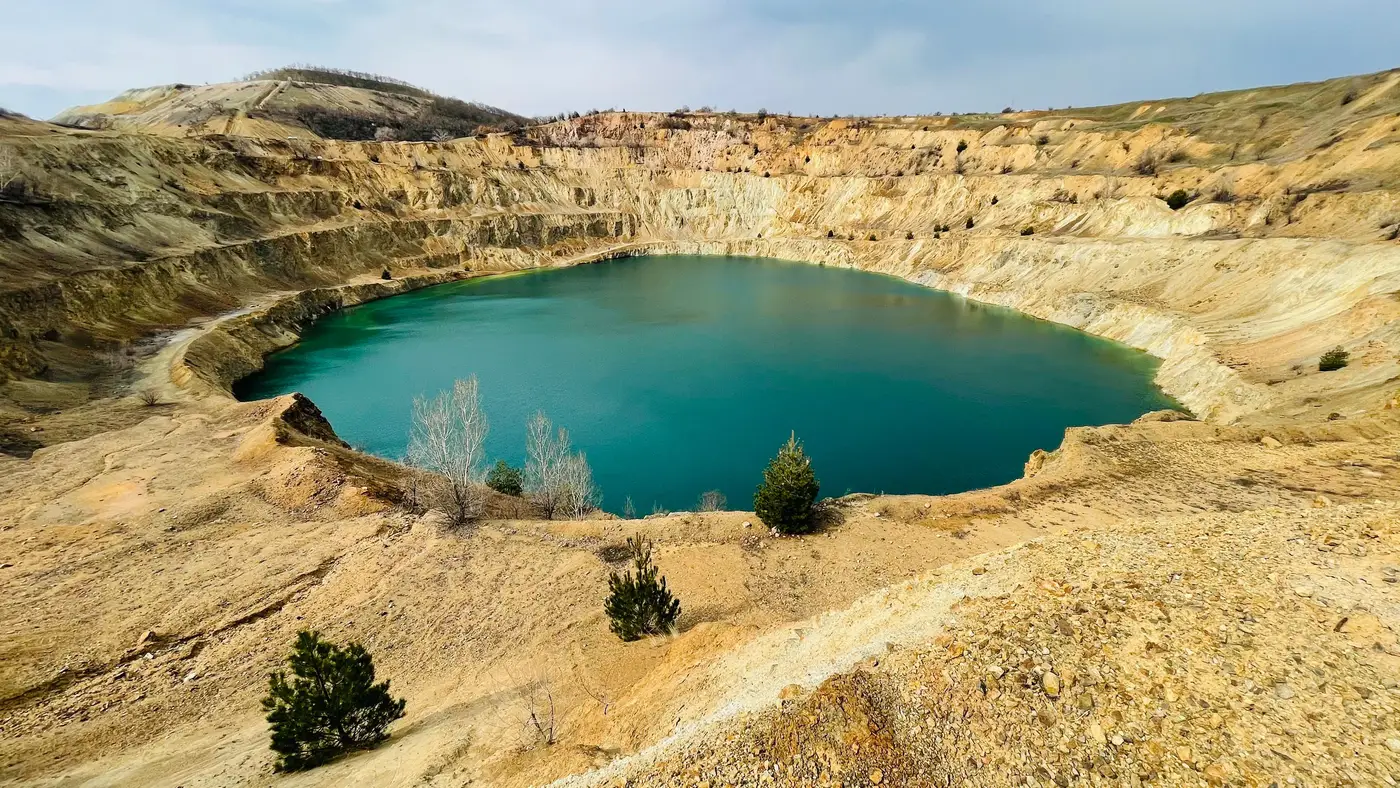 Field notes: the pond that changed color between two monthly passes
A legacy pond flipped from gray-green to turquoise in one pass. What that shift does and doesn't tell you, and why the baseline matters more than the frame.
- Turquoise vs. ochre: what each color tells you about mine drainage chemistry
Ochre and turquoise mine water colors come from different precipitate chemistry. Here's what each signals about pH, iron, and aluminum in a drainage system.
- Copper vs iron mine drainage: telling the signatures apart from above
Why iron oxidation reads ochre and copper mineralization reads turquoise in multispectral imagery, and how to avoid false positives in a watershed screen.
- What acid-base accounting tells a permit reviewer
A plain explainer of ABA testing, NAG and NAPP, and acid neutralizing capacity, and why permit files lean on them before anything gets built.
- Iron fen or AMD plume? Reading ochre signatures in satellite imagery
How to separate a natural iron fen's bog iron staining from an acid mine drainage plume using location, shape, and seasonal pattern in multispectral imagery.
- What is yellow boy? The iron precipitate behind acid mine drainage
Yellow boy explained: how the ochre iron precipitate forms in acid mine drainage, why it stains streambeds, and what it signals to anyone screening a watershed.
- Ochre staining vs. iron bacteria: how to tell the two apart in a stream
Field tests for telling acid mine drainage precipitate from iron bacteria biofilm, so a windshield survey doesn't send crews chasing false positives.
- pH vs. conductivity: which one flags acid mine drainage first?
Specific conductance usually moves before pH in developing AMD. Here's why, and where each parameter fits in a monitoring plan.
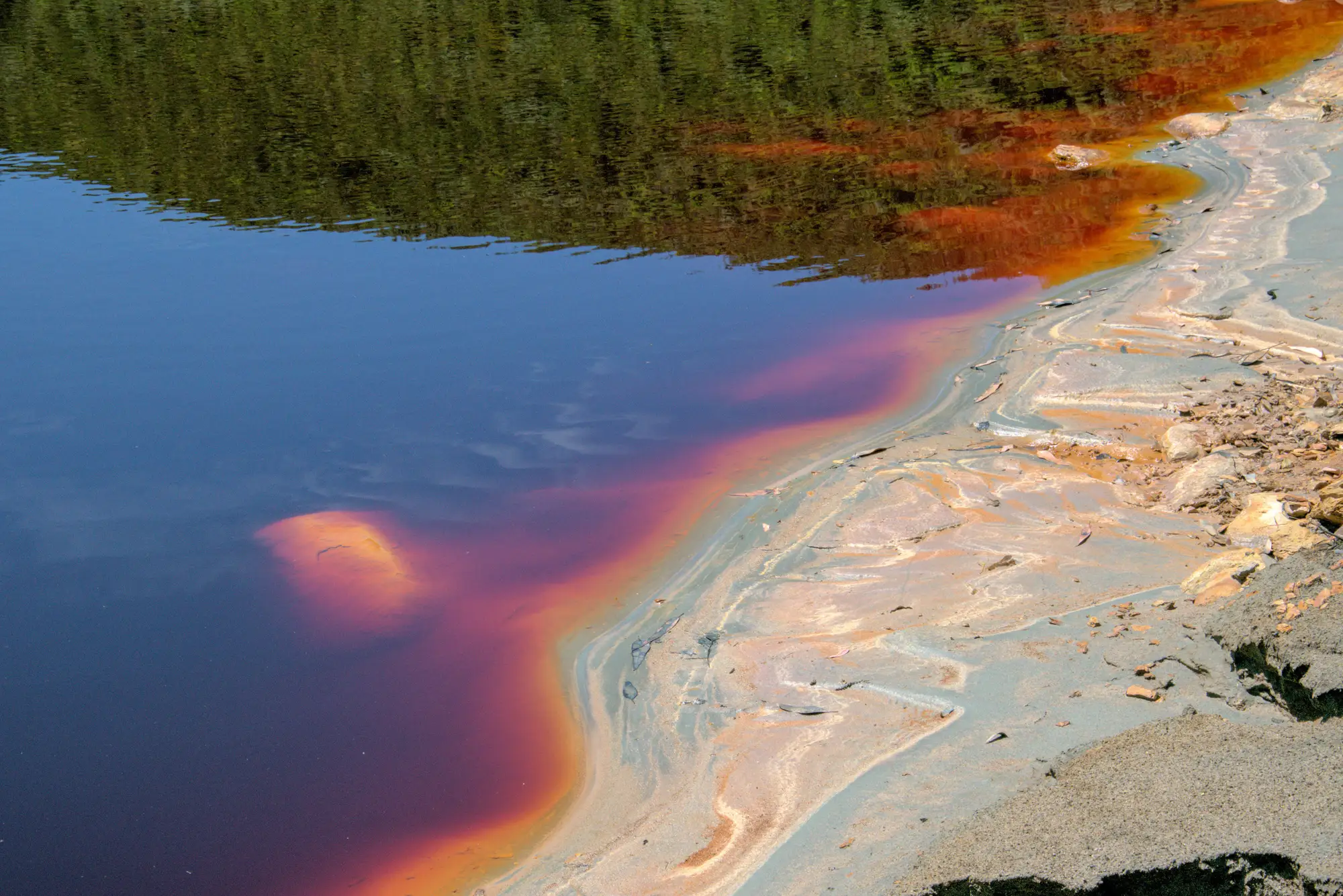
- What causes the orange color in acid mine drainage streams?
The iron chemistry behind orange AMD streams: ferric hydroxide precipitate, yellow boy deposits, and why the color shows up downstream, not at the source.
- What is a passive treatment system for acid mine drainage?
A plain-language look at ALDs, SAPS and constructed wetlands for AMD, and why passive systems need a different kind of monitoring than chemical plants.